When you volunteer, life changes for you and the child.
No prior experience is necessary to become a volunteer. All of the tools you need to be a successful advocate will be given to you through the CASA volunteer training program.
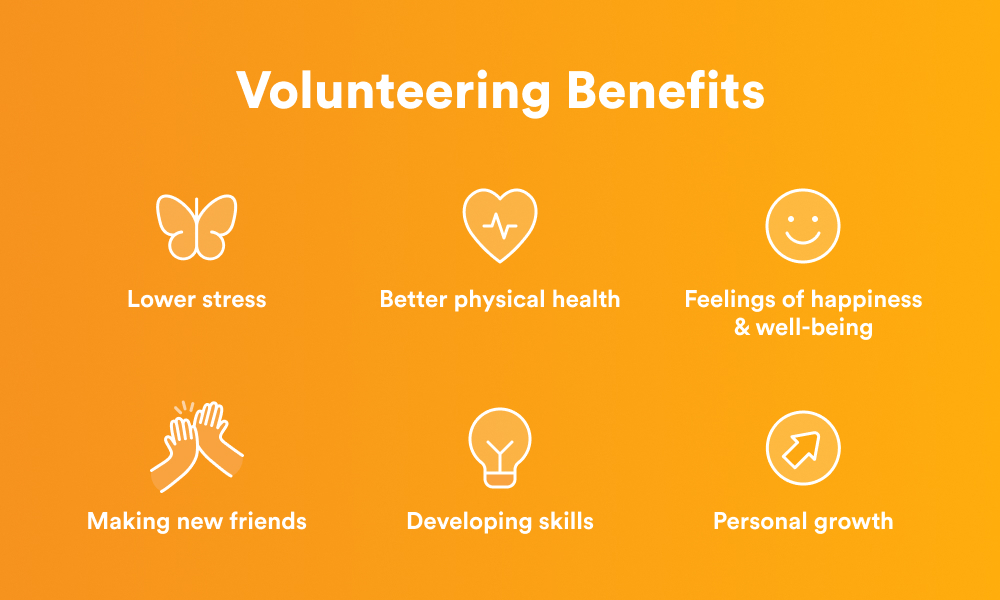
Volunteering offers extensive physical, mental, and social health benefits, including reduced stress and a lower risk of heart disease. These positive effects are particularly significant when motivated by altruism.
Mental and Emotional Health Benefits
Volunteering can significantly improve psychological well-being by providing a sense of purpose and combating negative feelings. It helps combat depression and anxiety by fostering social connections, reduces stress through the release of “feel-good” hormones, and increases self-confidence and self-esteem. It can also provide a sense of purpose, especially for older adults, and build resilience and optimism.
Physical Health Benefits
The mental benefits of volunteering often lead to physical improvements. Studies show that consistent volunteering can lower blood pressure, reduce the risk of heart disease and other illnesses, and enhance physical activity. Research also suggests that regular volunteers may live longer and experience less chronic pain.
Social and Cognitive Benefits
Volunteering is a great way to expand your social circle and maintain mental sharpness. It helps build social connections by providing opportunities to meet like-minded people and stimulates the mind through new tasks and problem-solving, which may help prevent cognitive decline.
Your special skills, gifts, and talents are welcome with us at CASA.
When you are ready to be trained as a volunteer advocate with CASA, please Contact Us